
Stretch Store · Mobility Library
Educational Guides for Stretching and Mobility
Owning the right equipment is only half the equation. Knowing how to use it — that is where real progress happens. Our guides break down foam rolling exercises, resistance band work, and full-body stretching routines into practical, repeatable steps you can follow at home.
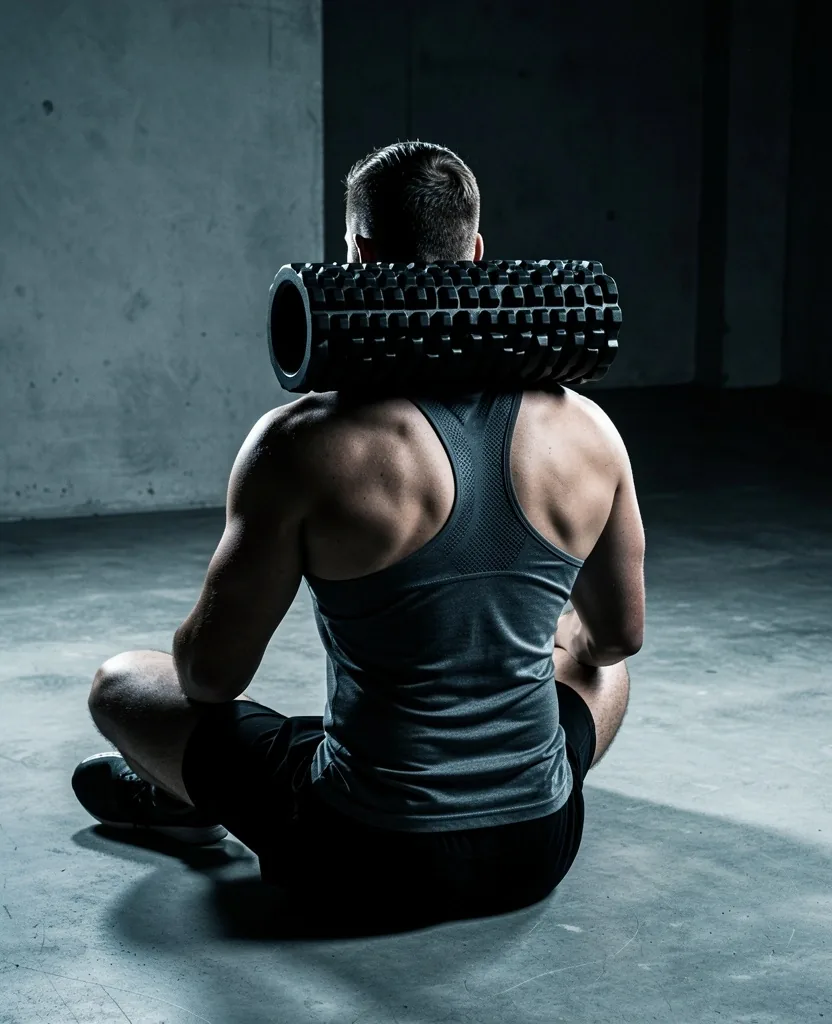
Foam Rolling
Release tight muscle tissue with targeted pressure work
How This Library Works
Practical application of real tools
These resources cover how to use a foam roller, massage balls, resistance bands, and stretching straps correctly. We focus on the mechanics of each movement — where to place the tool, how much pressure to apply, and how long to hold.
Whether you are building a stretching for beginners routine or want to target a stiff back with myofascial release tools, each guide gives you a clear sequence to follow. Consistent, gentle work beats sporadic, intense effort every time.
Guide 01 · Foundation
Getting Started: Stretching for Beginners
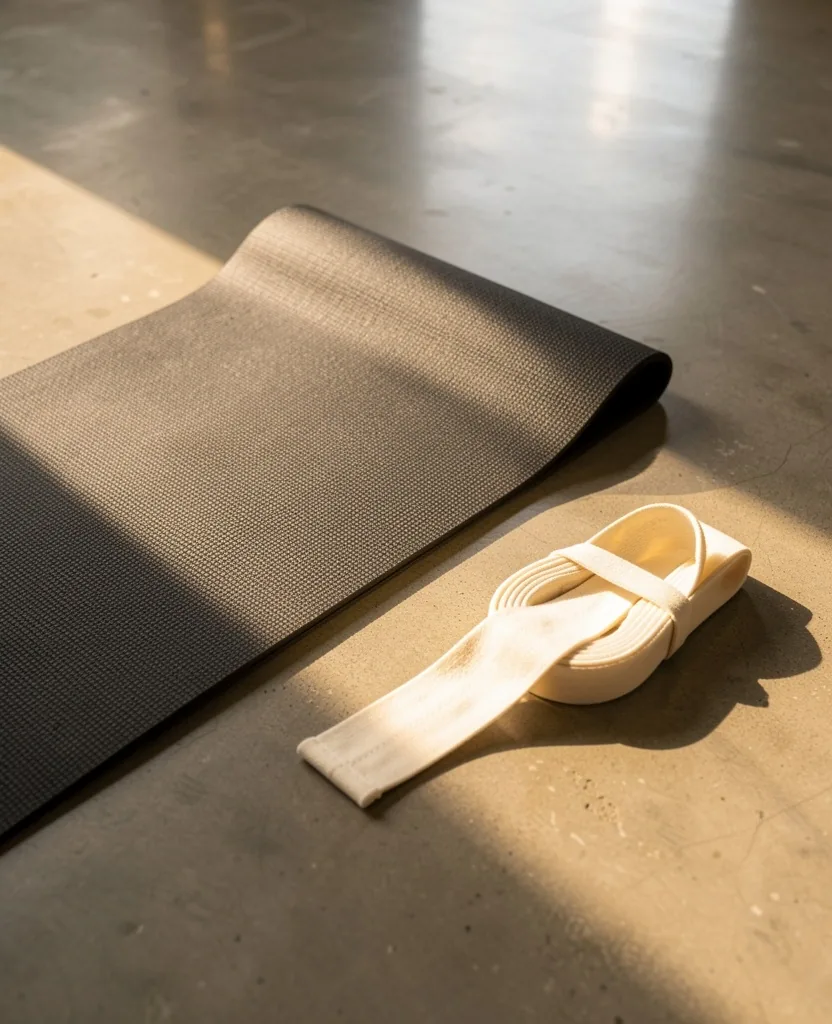
If you are new to mobility work, it can be difficult to know where to start. Our beginner guides focus on simple, effective movements using basic equipment — a yoga mat, a stretching strap, and your own bodyweight.
We emphasise consistent, gentle stretching over intense, sporadic sessions. Ten minutes on the mat three times a week will produce noticeably better results than a single forty-minute effort once a fortnight. The goal is to build a sustainable habit from day one that fits around your schedule, not a punishing routine you abandon by week two.
Equipment
Mat, strap, resistance bands
Time per session
Ten to fifteen minutes
Frequency
Three to four times weekly
Guide 02 · Full Body
Mastering the Body Stretching Routine
A full-body stretching routine should be part of everyone's weekly schedule. We outline how to sequence stretches so you cover all major muscle groups — from the neck down to the ankles — without skipping the areas that matter most for joint mobility.
01
Neck and Shoulders
Start at the top. Gentle neck tilts and shoulder rolls prepare the upper body and signal your nervous system that the session has begun. Two minutes is enough.
02
Spine and Torso
Seated twists and cat-cow movements on your pilates mat decompress the spine and mobilise the thoracic region. This is where a stiff back begins to loosen.
03
Hips and Hamstrings
Use resistance bands to deepen hip openers and hamstring stretches safely. The band gives you a mechanical advantage, letting you reach further without rounding the lower back.
04
Calves and Ankles
Finish at the ground floor. Wall stretches for the calves and ankle circles maintain the foundation of your entire kinetic chain. Often neglected, always important.
Using fitness bands to assist deep stretches gives you a better result than static floor stretching alone. The band lets you control the depth and back off the moment a stretch feels like it is becoming too much.
Guides 03 & 04 · Back Focus
Relieving a Stiff Back and Lower Back Tension
Stretching for a Stiff Back
A stiff back is often the result of tight hip flexors and a weak core, not a problem with the back itself. Our guides show you how to use back stretching tools and foam rollers to decompress the spine and release tension in the surrounding muscles.
We provide step-by-step instructions on how to safely navigate these movements — how to position the roller along the thoracic spine, how to support your head, and when to stop. The aim is controlled release, not forcing a range your body is not ready for.
Lower Back Relief Tools
The lower back is a common area of concern for many of our customers. We highlight the best lower back relief tools — lumbar rollers, specialised massage balls, and peanut massage balls — and explain exactly how to position them for maximum effect.
Understanding the relationship between the glutes and the lower back is key. Tight glutes pull on the pelvis, which in turn pulls on the lower back. Releasing the glutes with a muscle massage roller often addresses the source of the discomfort.
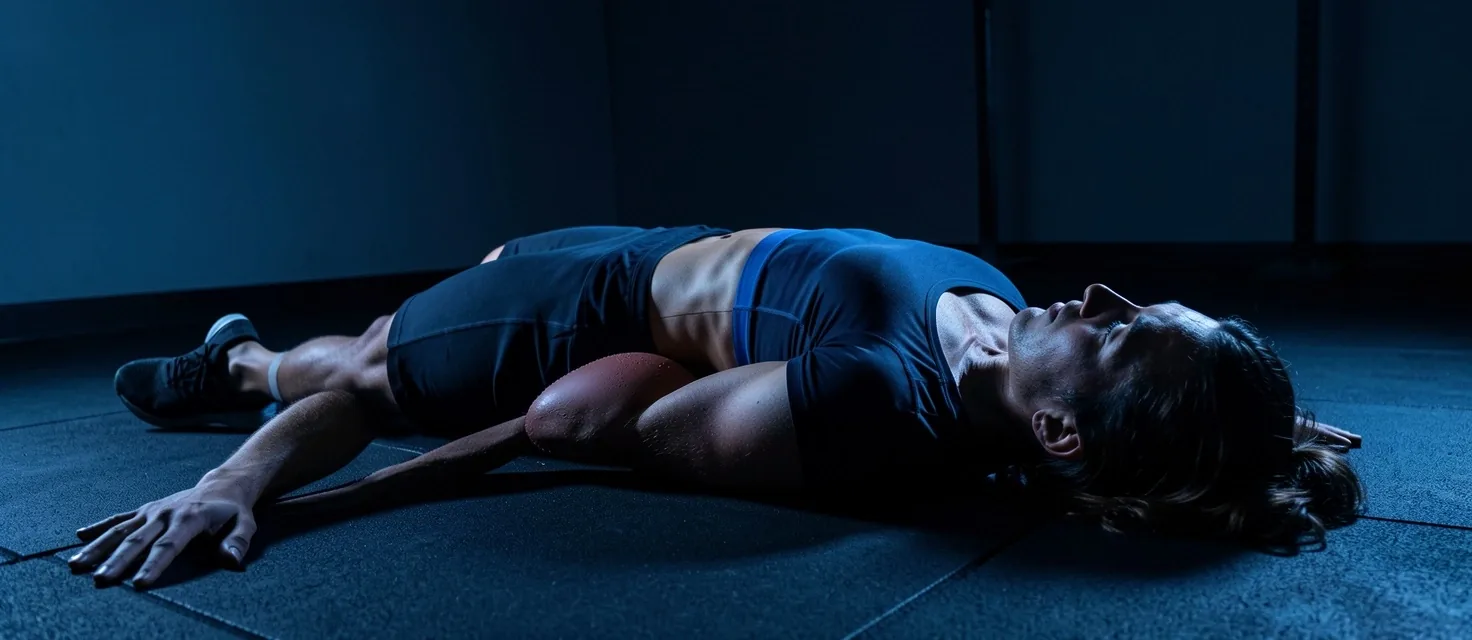
Thoracic Spine
Roll slowly from shoulder blades to mid-back. Keep ribs soft.
Lumbar Region
Peanut ball here. Small controlled movements only.
Guide 05 · Trigger Points
How to Release Muscle Knots Safely
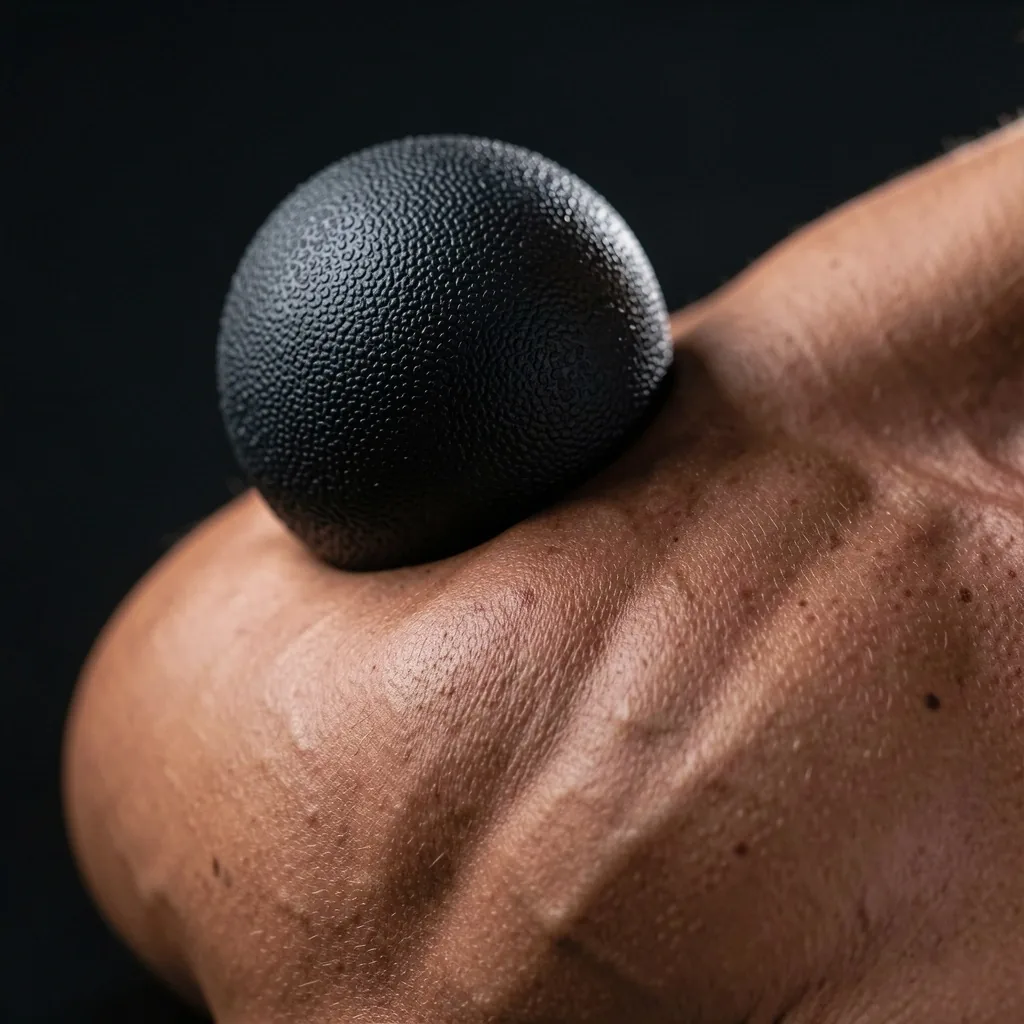
Using a massage ball to release a knot requires a specific technique. You must apply pressure directly to the trigger point and hold it until the tissue begins to soften. This is not about rolling quickly back and forth — it is about finding the spot, leaning in, and waiting.
Our guide explains the difference between productive discomfort — the dull, deep pressure that signals the tissue is releasing — and actual discomfort that means you should back off immediately. Learning to read that signal is what lets you perform self-massage safely at home without overworking a sensitive area.
Tools covered in this guide
Guides 06 & 07 · Lifestyle
Mobility for Every Body and Every Routine
Office Workers
Mobility for the Modern Professional
For those who spend their lives at a desk, mobility work is essential. We have created a guide specifically for office workers, focusing on stretches you can do in a chair or during a short break. These movements target the chest, wrists, and neck — the areas that take the brunt of computer use.
Target areas
Chest openers, wrist extensions, neck releases, seated spinal twists
Gentle Fitness
Senior Mobility and Gentle Fitness
As we age, maintaining joint mobility becomes a priority. Our guides for seniors focus on gentle fitness equipment and low-impact movements that preserve range of motion without overstressing the joints. These routines are designed to be performed safely at home, often with the support of a chair or wall for balance.
Recommended tools
Light resistance bands, foam roller, stretching strap, yoga mat
Guide 08 · Consistency
Integrating Tools Into Your Routine
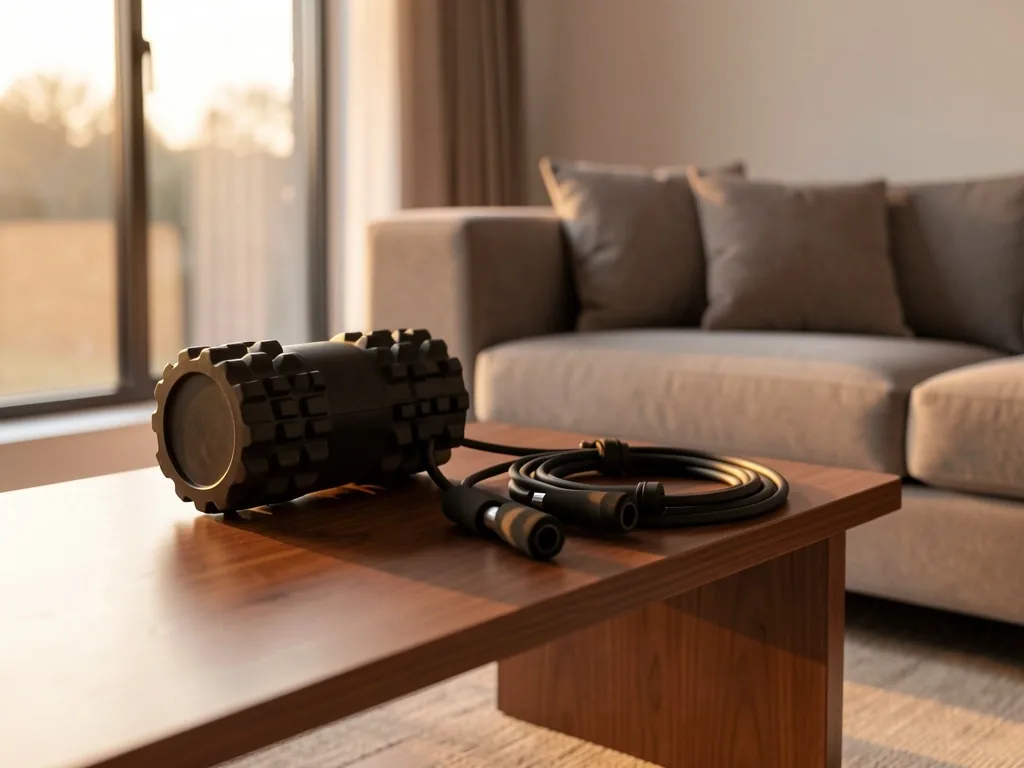
The best way to see progress is to integrate your tools into daily life. We provide tips on how to keep your foam roller and bands visible so you actually remember to use them. A roller that lives in a cupboard does not get used. A roller that sits next to the sofa gets used every evening.
Whether it is five minutes of rolling before bed or a full stretching session on the weekend, consistency is the primary driver of improved mobility. Short, frequent sessions build on each other. Your connective tissue adapts to repeated, gentle load — not to occasional, maximum effort.
We also cover how to pair tools together — using a back support cushion at your desk during the day, then a foam roller in the evening to address what built up. The goal is a system that runs in the background of your week without needing to think about it.
Continue Reading
Browse our full range of mobility and recovery equipment
Every guide references tools you can find in our shop. If you already know what you need, head straight to the relevant collection. If you are still figuring it out, our FAQ page covers common questions about choosing the right equipment for your routine.
Need Help Choosing?
Talk to our team in Manchester
If you are unsure which tools suit your routine, our team can help you put together a practical kit. Reach out by phone or email during working hours.
+44 161 492 8480
Mon–Fri: 9:00–18:00
45 High Street, Fitness Quarter, Manchester, M4 1BA, United Kingdom